A$AP Rocky brings a new creative lens to Miami: eyewear meets Art Basel
The artist introduces an immersive installation where contemporary culture, visual experimentation and iconic eyewear silhouettes converge.
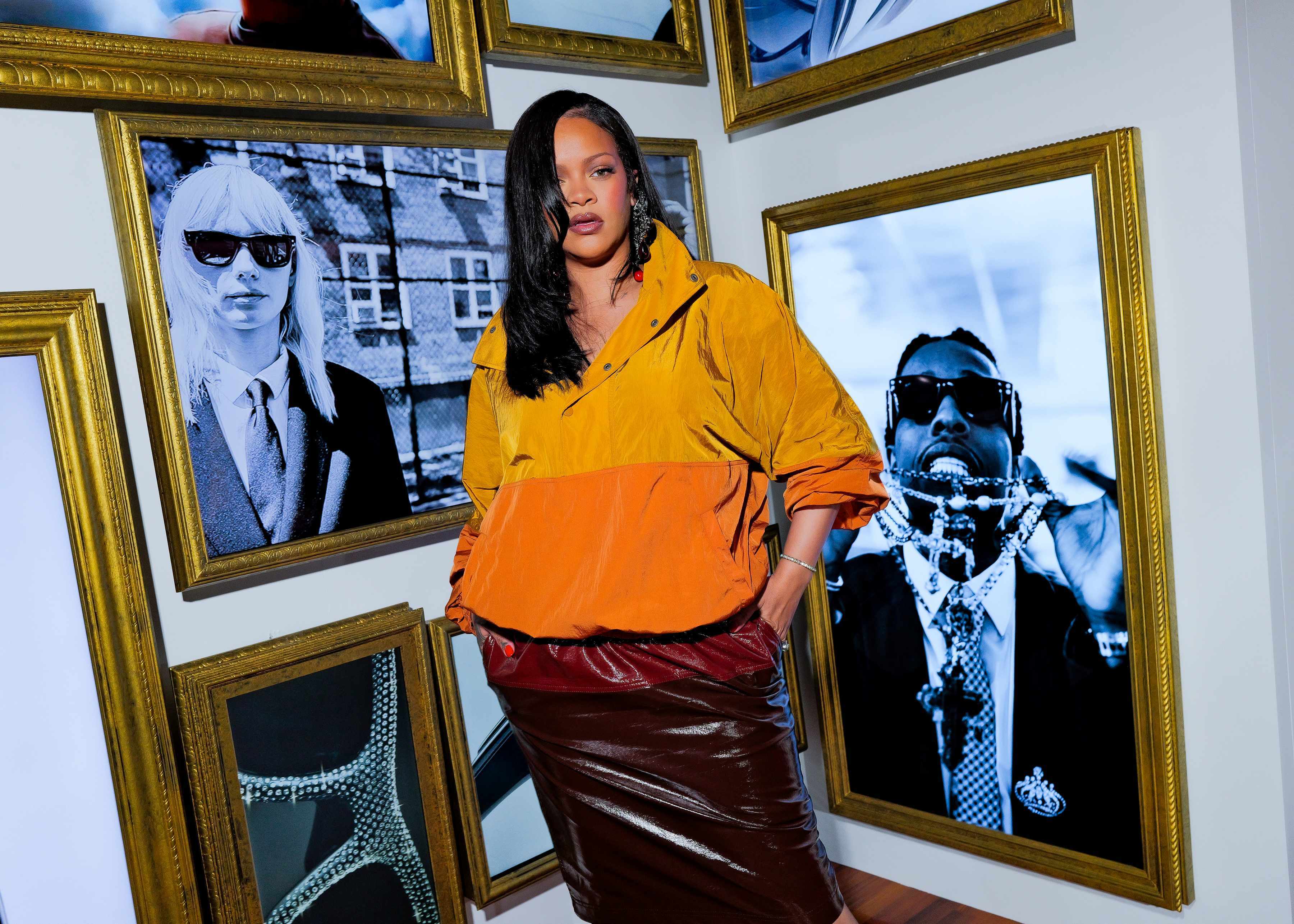
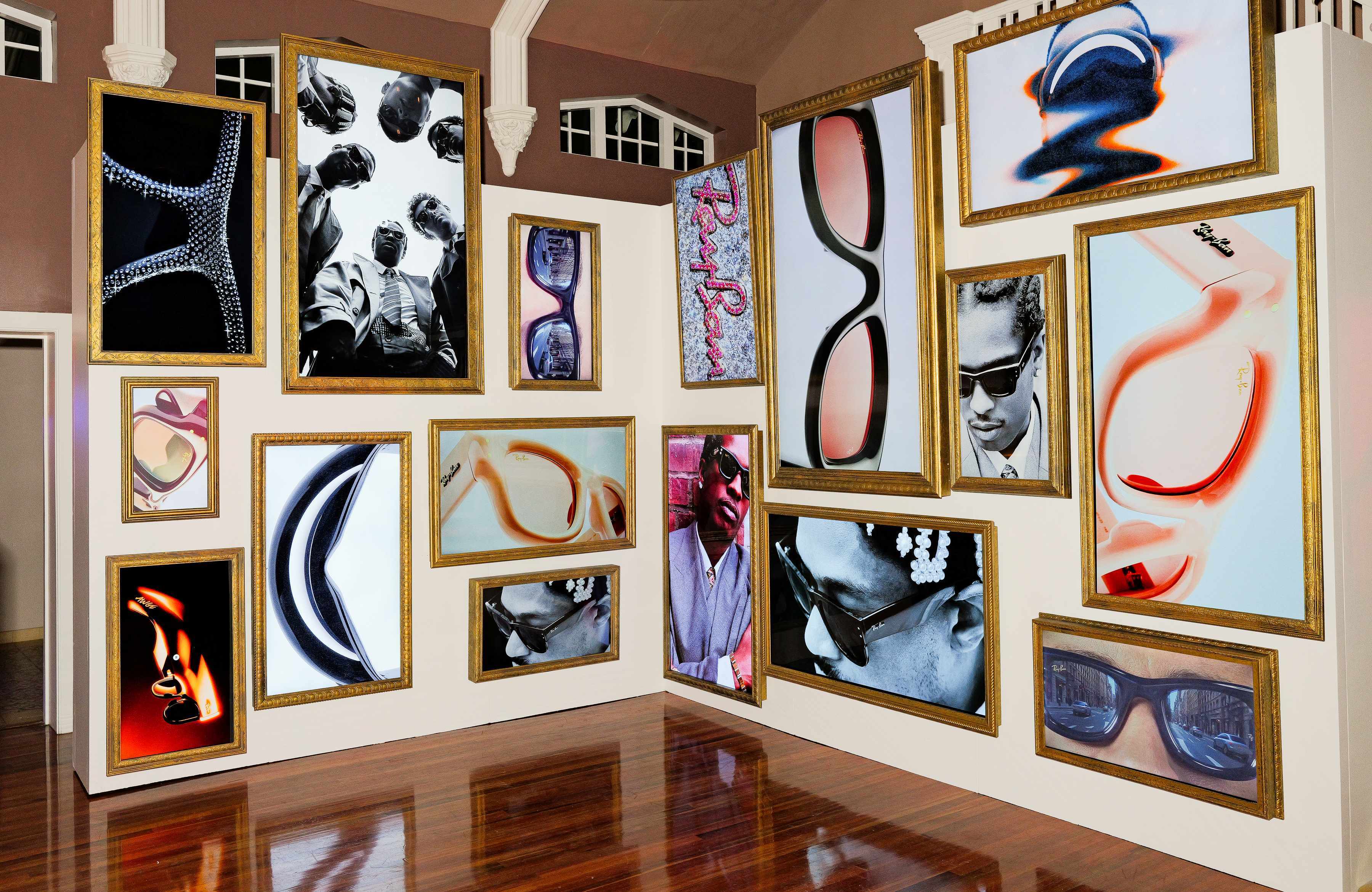
During Art Basel Miami Beach—one of the world’s most influential platforms for contemporary art—the eyewear sector stepped into a new dialogue with creative languages and experiential installations. In December 2025, the city hosted the Ray-Ban Clubhouse by A$AP Rocky, an immersive project that positions eyewear as a cultural object rather than a simple functional accessory.
The partnership with Art Basel reflects a broader trend: eyewear companies increasingly see contemporary art as a space where aesthetics, design evolution and brand narratives can intersect. Within this context, A$AP Rocky—appointed in early 2025 as the brand’s first creative director—led the initiative by reimagining classic frames through the lens of his visual and stylistic universe.
The installation took place inside the Carl Fisher Clubhouse, the oldest public building in Miami Beach, transformed for the occasion into a large-scale experiential environment. Rather than a product presentation, it offered a multisensory journey where design, music and contemporary imagery shaped a unified narrative.
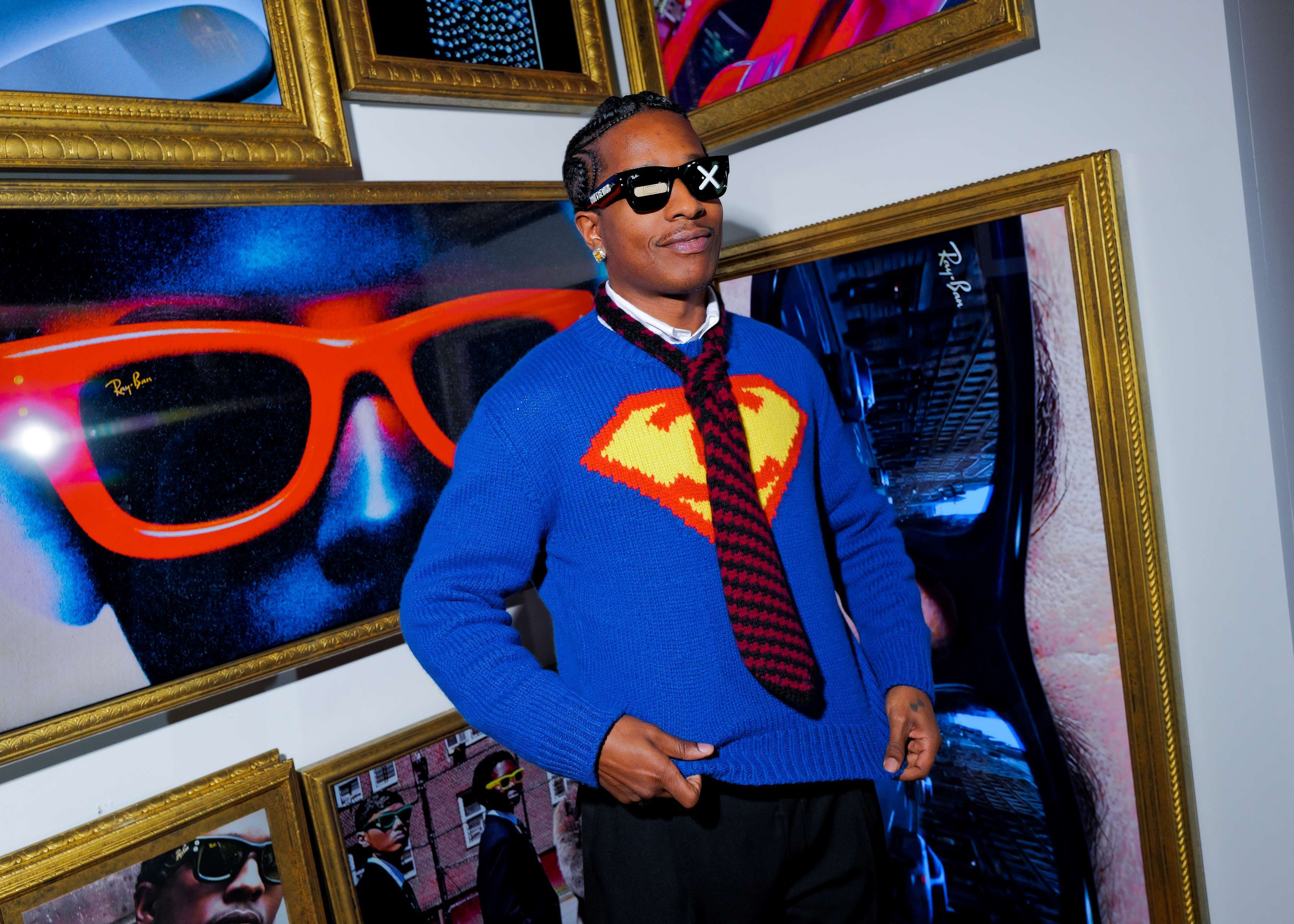
At the heart of the exhibition were two heritage models—the Classic Wayfarer and the Mega Wayfarer—revisited by Rocky with a handcrafted detail that drew international attention. The DON’T BE DUMB logo, entirely made by hand using crystals and applied to the temples, is not conceived as a collector’s item; instead, it serves as a symbolic creative gesture connected to the artist’s forthcoming album. A customized element that links hip-hop culture, craftsmanship and eyewear heritage.
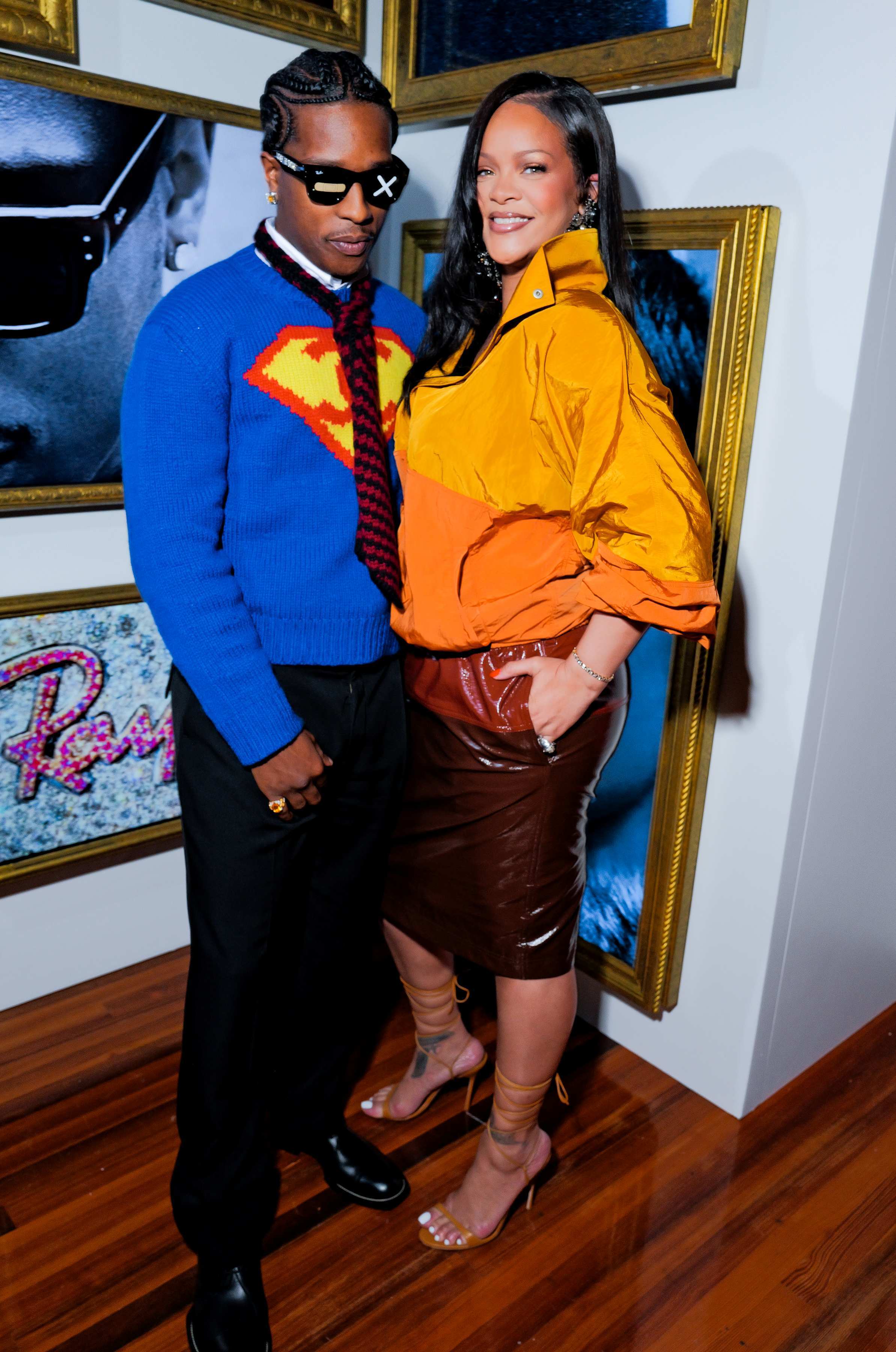
The project opened on 4 December with a private event attended by leading cultural figures, before welcoming the public on 5 and 6 December. It underscored how visual culture and eyewear continue to evolve toward narrative-driven, interdisciplinary and experiential formats.
This initiative also aligns with a wider industry movement: the growing ambition of eyewear players to build cultural partnerships that merge art, fashion and experimentation, offering new perspectives on iconic designs. In Miami, Rocky’s vision contributed to reframing eyewear as a cultural language—an object capable of expressing identity, aesthetics and contemporary creativity.